Khanya Hosts A Political Education Workshop on Violence and Health
- 29/05/2026
- Khanya Community Health Project
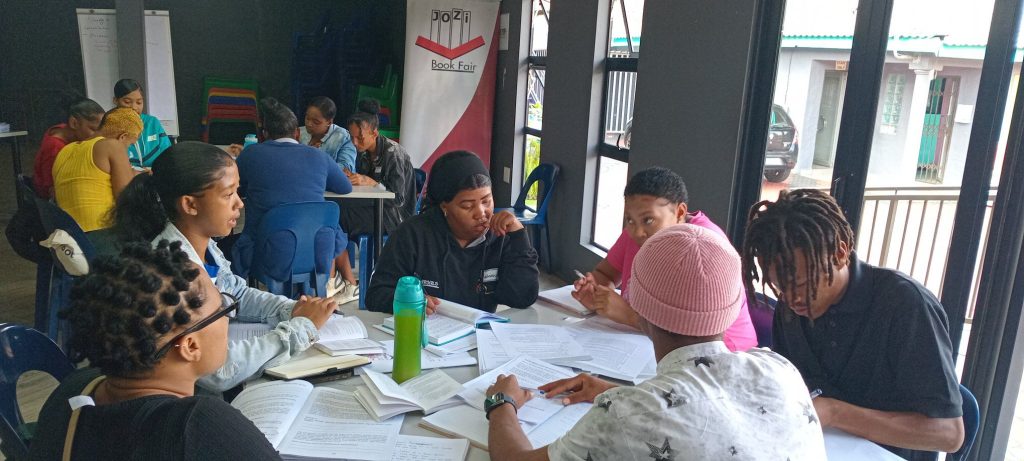
On 28 – 29 May 2026, Khanya College hosted a 2-day political education workshop on Violence and Health held at the House of Movements, Johannesburg. 25 participants including representatives from Ladies of Hope, Masibambisane, Lifeline, Eldorado Park Women’s Forum, Rena le Lona, Gender Based Violence (GBV) survivors and youth. The workshop focused on understanding violence in South African communities, particularly gang violence, its effects on individuals and communities, and possible methods of prevention and conflict resolution.
The workshop aimed to deepen participants’ understanding of violence and how it manifests in society. An important part of the workshop’s methodology was contextualising violence within South Africa’s social, political, and economic conditions, and identifying the emotional, psychological, and physical effects of violence. This enabled the participants to then explore concrete strategies to prevent violence and promote peaceful conflict resolution.
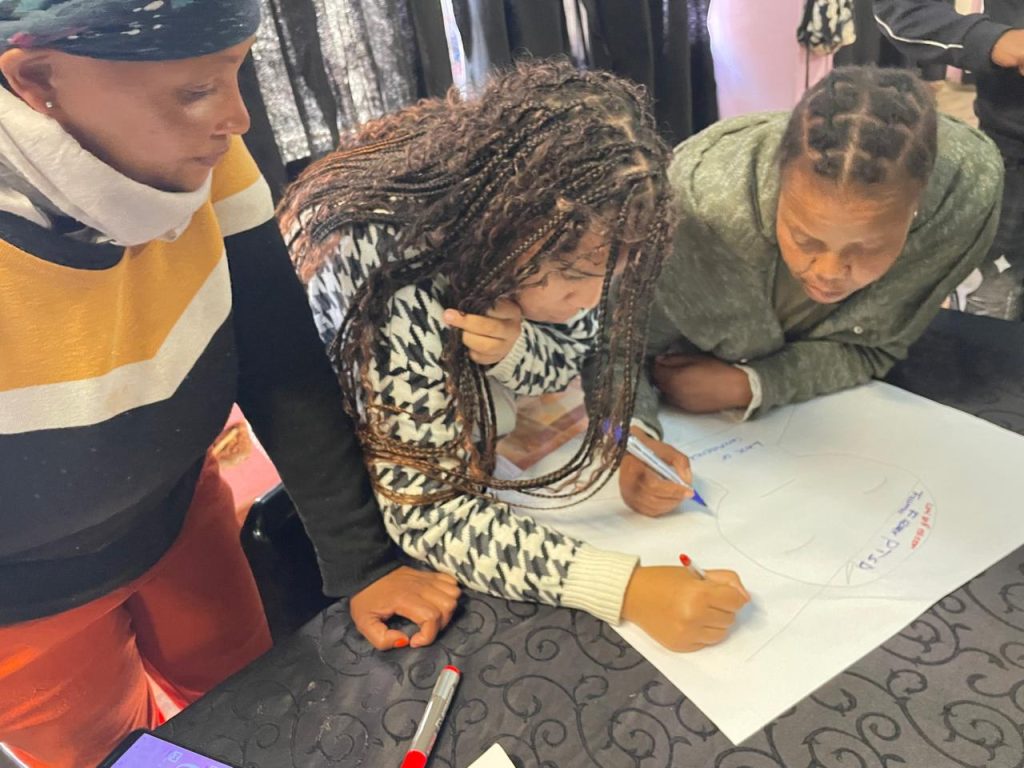
The first day introduced participants to the topic through a scenario involving gang-related violence at a school. Working in groups, participants analysed the causes and consequences of the conflict, as well as the roles played by learners, parents, teachers, gangs, and the police. This was followed by a discussion based on the reading The Violent Work of South African Gangs by Christopher Morris, which explores the historical roots of gangs and the relationship between poverty, inequality, and violence. Participants also watched and discussed a documentary on gang violence in the Cape Flats, examining the impact of violence on communities. The day concluded with groups developing posters that highlighted practical ways to prevent violence and promote peace.
The second day focused on exploring the causes, effects, and prevention of violence. Through interactive activities, participants identified different forms of violence and mapped the connections between social, economic, and political factors that contribute to violence in communities. Group exercises encouraged participants to reflect on the emotional, psychological, and physical effects of violence on individuals, families, and communities. Discussions also explored strategies for preventing violence, including community mobilisation, education, dialogue, and support systems.
The workshop concluded with participants producing poems, articles, and posters to raise awareness about violence, gang violence, and other social challenges. Overall, participants felt that the workshop successfully broadened their understanding of violence, its root causes, and possible solutions. The objectives of the workshop were achieved, and participants left with a deeper appreciation of the need for collective action to build safer and more peaceful communities.
Search
News Updates
E-Mail List Sign Up
Media &
Publications
Latest News & Events
-
 Khanya Community Health Study Group Reads & Discusses Drug Addiction as a Health Issue
 -
Khanya Hosts A Political Education Workshop on Violence and Health
-
 Khanya Hosts a Basic Journalism Writing Workshop for GBV and Community Health Activists
 -
 Khanya Hosts A Political Education Workshop on Health & the South African Constitution