Khanya Hosts A Political Education Workshop on Health & the South African Constitution
- 18/03/2026
- Khanya Community Health Project
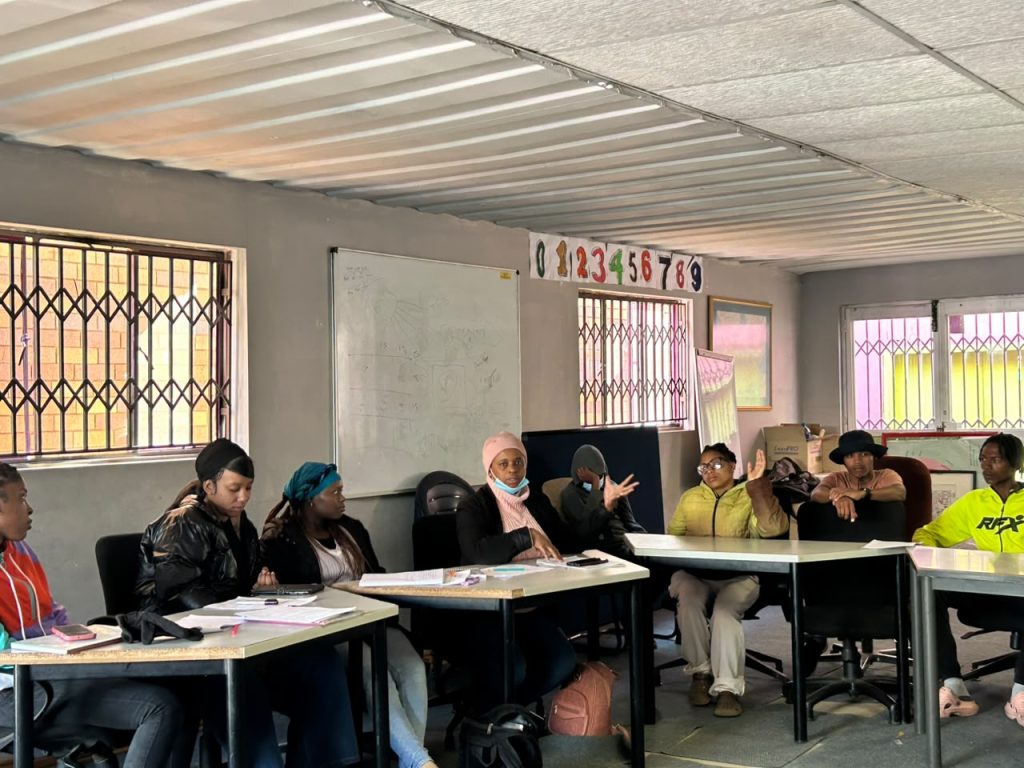
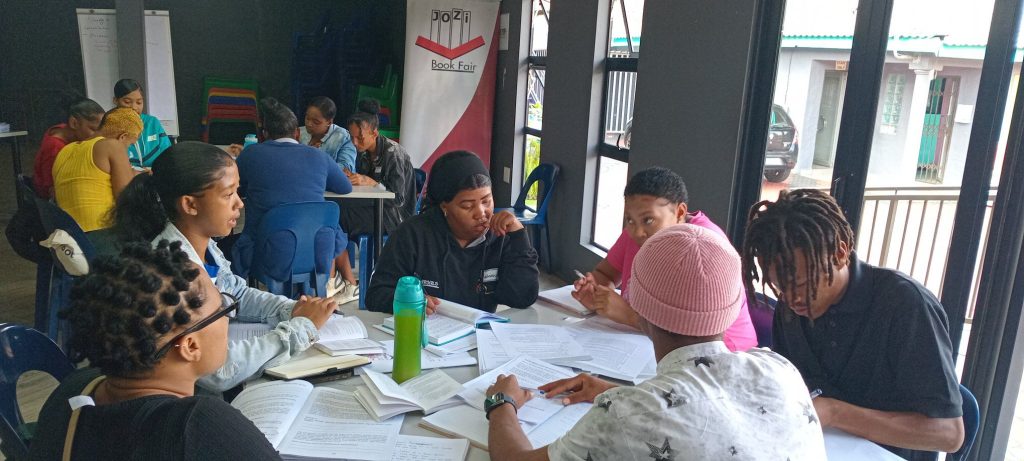
On 18 March 2026, Khanya College hosted a political education workshop on Health and the South African Constitution at PUSH drop-in centre in Eldorado Park, for Gender-Based Violence (GBV) survivors, Community Health Activists, and post-school youth. The workshop was attended by 35 participants from 8 organisations, consisting mostly of young people. The session was very vibrant, and participants showed strong interest in understanding the Constitution, especially the health-related rights.
The aim of the session was to build an understanding of the South African Constitution and to equip participants with knowledge of their health rights, as well as the rights of women who experience domestic violence. This would enable them to question issues in public healthcare and advocate for better services, from healthcare to the justice system.
In the session, participants openly shared challenges they face in local clinics and hospitals, especially as women. They raised concerns about carelessness during childbirth, noting that this is a time when women need extra care, yet many receive poor service. Some women are turned away and end up giving birth outside health facilities or at home.
Long waiting hours at clinics and hospitals remain a major issue. Some participants shared that they are sent home without treatment or explanation. There was also debate around the requirement to bring an ID when seeking care. Participants said this makes it difficult for undocumented individuals and migrants to access healthcare. Poor communication from healthcare workers was also raised, including not clearly explaining diagnoses and giving the same medication, such as painkillers, for different illnesses.
Another discussion focused on inconsistencies in laws. Participants noted that teen mothers are not allowed to register their child’s birth without a parent or elder, while minors from the age of 12 can access abortion without parental consent. They said understanding the Constitution helps people to question such contradictions.
Participants also discussed the Batho Pele principles and the Patients’ Rights Charter, and appreciated how these can help communities know their rights and demand better services. Not all clinics are the same, however. The Extension 8 clinic was highlighted for having well-trained staff who communicate clearly, apologise for delays, and treat people with respect. However, it does not have the capacity to serve the entire community, which forces some people to use other clinics in their areas.
The workshop helped participants better understand their rights and the challenges in public healthcare. It showed that when people understand the Constitution, they feel more confident to question the system and demand better services. There is a clear need for ongoing education, community involvement, and organisational support to improve healthcare access and quality.
Search
News Updates
E-Mail List Sign Up
Media &
Publications
Latest News & Events
-
Khanya Community Health Study Group Reads & Discusses Drug Addiction as a Health Issue
-
 Khanya Hosts A Political Education Workshop on Violence and Health
 -
 Khanya Hosts a Basic Journalism Writing Workshop for GBV and Community Health Activists
 -
 Khanya Hosts A Political Education Workshop on Health & the South African Constitution